In a rapidly shifting beauty and fragrance market, packaging now plays a central role in shaping brand identity and consumer perception. As new brands emerge and aesthetics evolve, the industry is driving faster innovation in materials, design, and sustainability to meet higher expectations.
In 2026, fragrance packaging trends will focus on material diversity, sustainable luxury, and transparent environmental impact.
1. Expanded Diversity in Materials, Shapes, and Colors
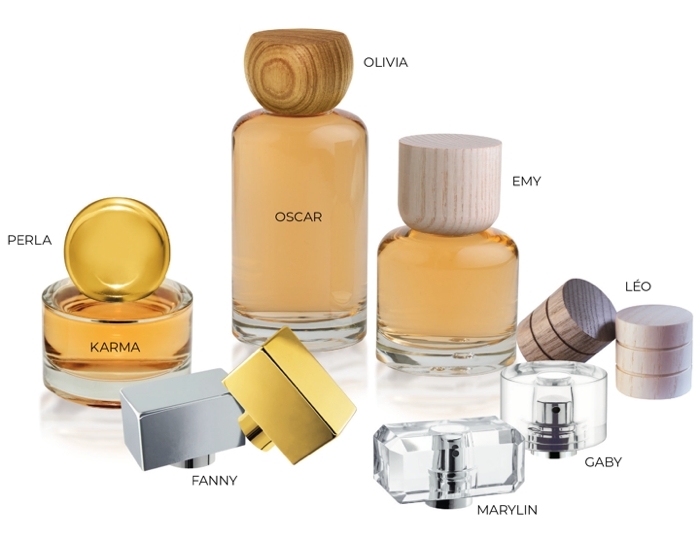
Today’s fragrance packaging landscape offers more variety than ever. From bottles to caps and decorative components, every detail influences shelf presence and brand identity. Key directions include:
-
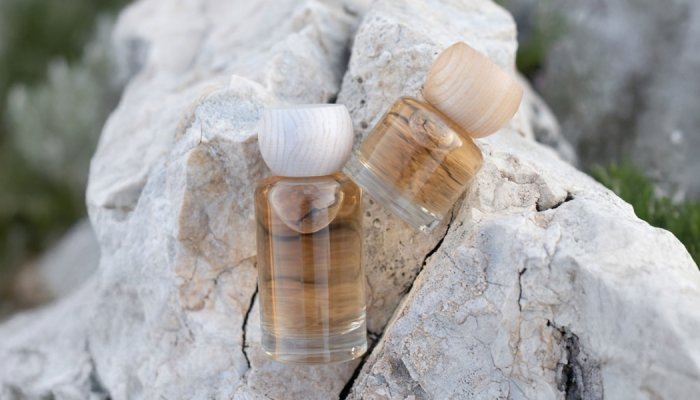
A wider range of materials: natural wood, stained wood, recycled glass, resin, Surlyn, and premium zamak.
-
Lightweight structures: reducing material usage for lower carbon footprint.
-
Refillable internal systems: responding to the rise of reusable packaging.
-
Aesthetics from minimal to bold: clean lines remain popular, while oversized, sculptural caps are gaining traction.
This diversity gives brands more freedom to express their positioning and stand out in a competitive market.
2. Redefining the Balance Between Luxury and Sustainability
Traditionally, luxury has been associated with weight and thickness, while sustainability aims for lighter, more resource-efficient designs.
The industry is finding new ways to merge the two.
Notable innovations include:
-
Achieving a “luxurious” look with less material, using techniques like false-bottom structures.
-
Premium aesthetics from recycled materials, such as recycled glass, Surlyn, and zamak.
-
Design-led sustainability, where visual appeal and eco-responsibility support each other instead of competing.
Consumers increasingly value brands that demonstrate both style and environmental awareness, making packaging a key communication tool.
3. Quantified Environmental Impact as a New Standard
Sustainability claims are becoming more data-driven.
Packaging components are increasingly accompanied by:
-
Verified carbon footprint information
-
Material traceability details
-
Recyclability and circularity metrics
This transparency helps brands make informed decisions and allows consumers to understand the environmental impact behind each product.
By 2026, quantified sustainability is becoming an expected standard across the fragrance industry.
4. Customization and Mix-and-Match as Core Brand Advantages
While sustainability and new materials are shaping the industry, distinctiveness remains crucial. Brands continue to invest in custom touches that reinforce their identity.
Key trends include:
-
Decorative finishes such as hot stamping, matte coatings, frosted effects, and specialty sprays
-
Surface treatments from glossy to textured
-
Custom color palettes and structural designs
-
Multi-material combinations (e.g., wood with glass, Surlyn with metal)
These elements help brands align packaging with fragrance stories, consumer lifestyles, and market positioning.
Conclusion: A New Era Where Aesthetics, Innovation, and Responsibility Meet
In 2026, fragrance packaging is evolving into:
-
a visual extension of brand storytelling,
-
a crucial touchpoint in the customer experience,
-
and a direct expression of sustainability commitments.
As the industry moves toward a new standard of sustainable luxury, close collaboration among designers, brands, and suppliers will continue to shape the next generation of fragrance packaging.